
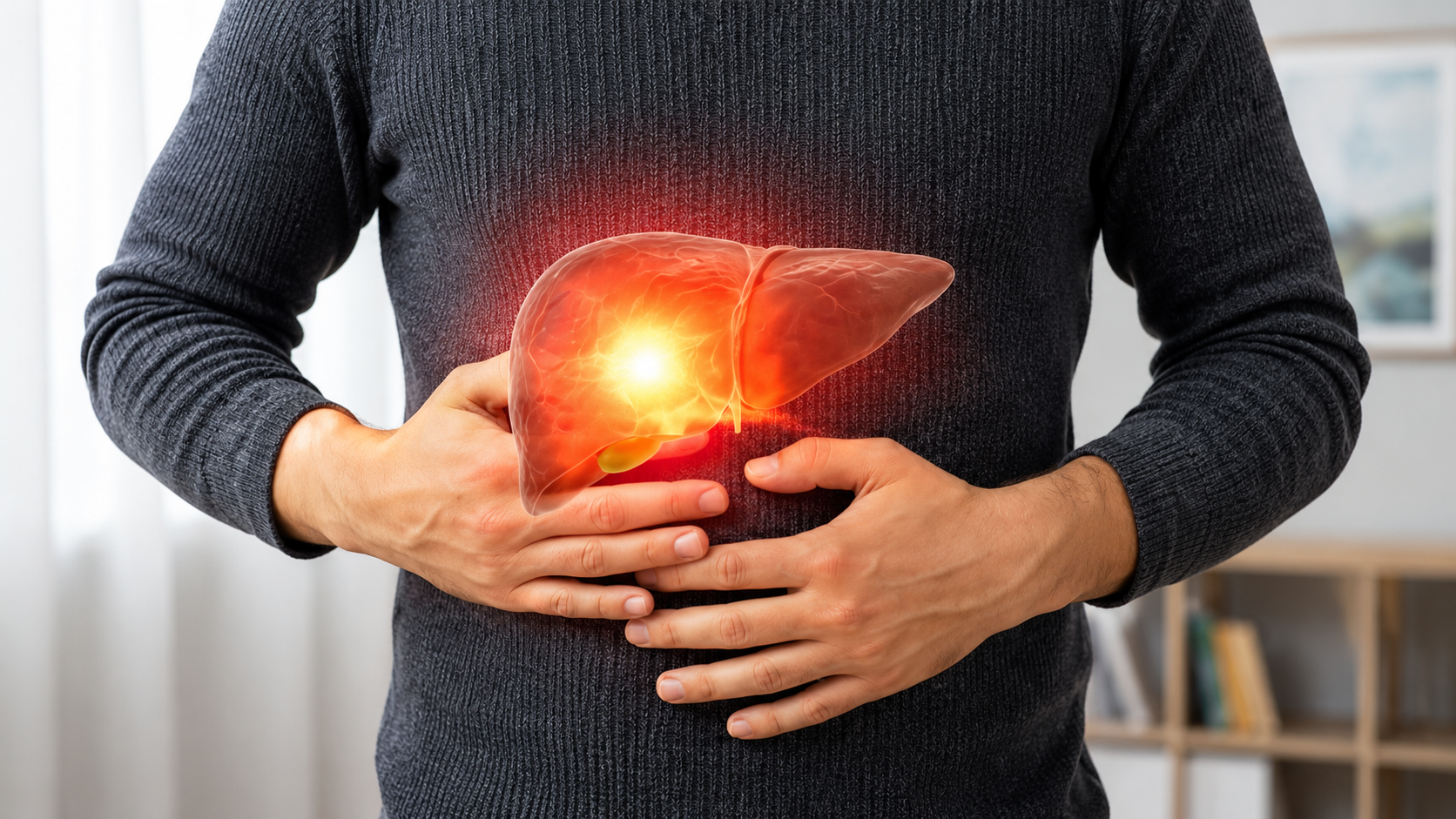
Key Takeaways
- Fatty liver is not caused primarily by eating fat. Research points to excess refined carbohydrates and sugars, particularly fructose, as a stronger driver of liver fat accumulation.
- You don’t have to be overweight to develop this condition. Lean individuals can still accumulate significant amounts of fat inside their liver cells.
- Liver symptoms related to this condition are largely invisible in the early stages. Most people only discover it through a routine blood test or ultrasound.
- Early-stage fat accumulation in the liver may be reversible through lifestyle changes. The window for reversal narrows significantly as the condition advances.
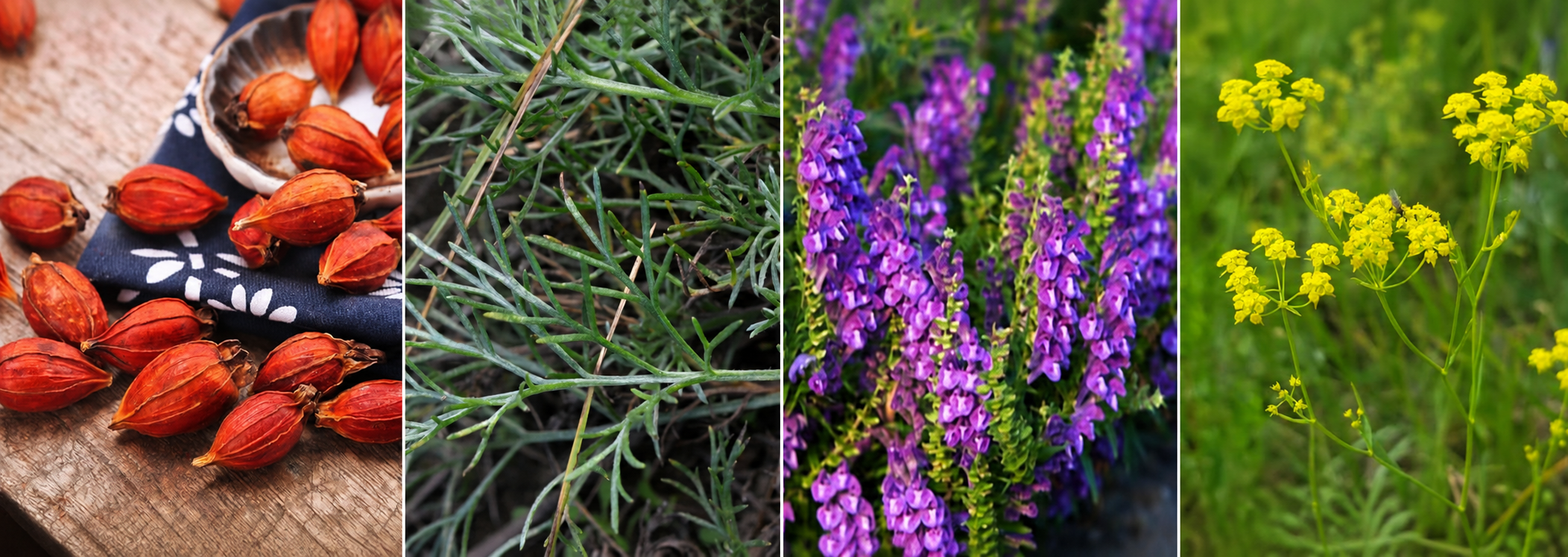
- The four herbs in Herbitec’s Livarton, Artemisia Scoparia, Scutellaria Baicalensis, Gardenia Jasminoides, and Bupleurum Scorzonerifolium, each have documented traditional and scientific associations with liver health support.
Introduction
When people hear about liver fat accumulation, they tend to picture someone eating fried food at every meal. The assumption is simple: fat goes in, and fat ends up in the liver. But that’s not quite how it works.
The liver is one of the most active organs in the body. It processes energy, filters the blood, regulates hormones, and produces bile. When it gets overwhelmed by a poor diet and sedentary lifestyle, fat starts accumulating inside its cells. The substances driving that accumulation aren’t always what you’d expect.
This blog walks through the real science of liver fat accumulation, covers the biggest misconceptions, and looks at which herbal ingredients have a documented basis for supporting liver health.
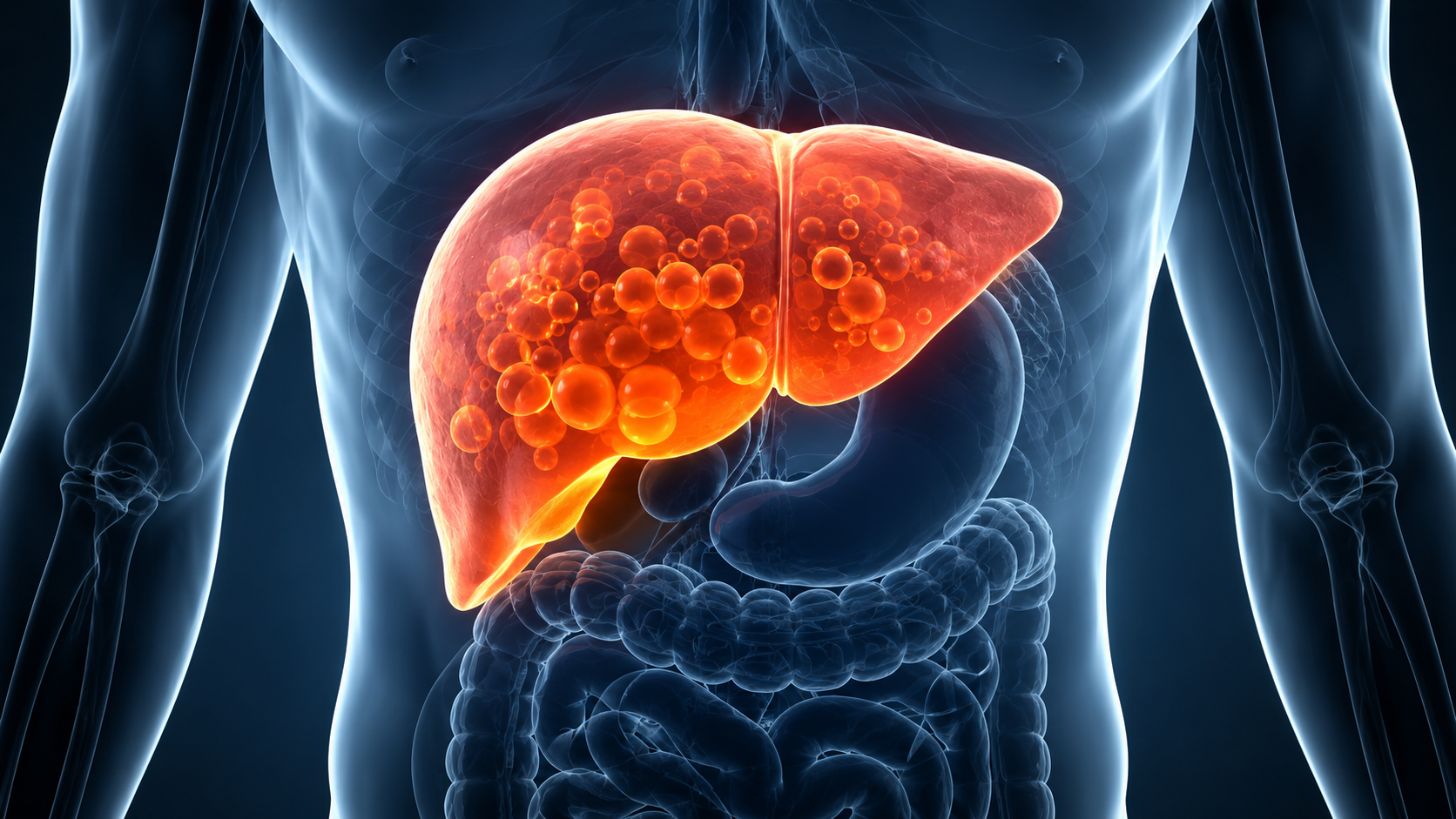
What Is Fatty Liver?
This condition, now more precisely called MASLD (Metabolic Dysfunction-Associated Steatotic Liver Disease), describes a state where fat makes up more than 5% of liver cell content. A 2023 multi-society consensus led by the American Association for the Study of Liver Diseases officially updated the name from the older NAFLD (Non-Alcoholic Fatty Liver Disease) to better reflect its metabolic origins. Both terms refer to what is commonly known as fatty liver disease.
The liver has no pain receptors. Fat accumulation happens without any sensation, which is why this condition earns the label “silent.” Most people discover it through elevated ALT or AST liver enzymes on a routine blood test, or through an incidental abdominal ultrasound done for another reason entirely.
Discover More : Liver Detox Supplements: What Actually Works?
What Is Actually Driving Liver Fat Accumulation?
Myth 1: Eating Fat Causes Fatty Liver
Dietary fat is largely processed and stored in fat cells under the skin or used for energy. The liver handles some dietary fat, but the bigger driver of excess liver fat is an overload of carbohydrates and refined sugars.
When you consume large amounts of simple sugars, particularly fructose found in sodas, fruit juices, and processed foods, the liver takes most of the work. Research published in the Journal of Endocrinology shows fructose is a more potent driver of liver fat production than glucose, primarily because the liver plays a dominant role in fructose metabolism. Unlike glucose, which gets distributed to multiple tissues, fructose is delivered to the liver in concentrated amounts via the portal vein.
Here’s how the process unfolds:
Excess Sugar and Fructose Intake
↓
Chronic Insulin Spikes, Leading to Insulin Resistance
↓
The Liver Begins Converting Excess Sugar Into Fat (De Novo Lipogenesis)
↓
Fat Gets Trapped in Liver Cells
↓
Inflammation and Cellular Injury (MASH)
De novo lipogenesis simply means “creating new fat from scratch.” Rather than exporting this fat efficiently, an overloaded liver begins storing it internally. Over time, this process accumulates to a clinically significant level.
Myth 2: Only Overweight People Get It
Not necessarily. A person can appear lean but still have significant fat stored inside their liver cells and around their internal organs. Researchers refer to this as the TOFI phenotype, meaning “Thin on the Outside, Fat on the Inside.”
Visceral fat, the fat packed around your internal organs, sits near the portal vein. That proximity places it directly upstream of the liver in circulation terms. When the body carries excess visceral fat, the liver receives a steady stream of fatty acids that contribute to further accumulation, even without noticeable external weight gain.
Genetics, chronic stress, poor sleep, and insulin sensitivity all play roles in who develops this condition, regardless of body weight.
Myth 3: The Liver Deliberately Pushes Toxins Into Fat Cells
This claim circulates often, but the underlying biology is simpler. Fat-soluble substances, including certain environmental compounds, dissolve into fat tissue. That’s a property of their chemistry, not a deliberate strategy by the liver. When the liver is under strain and can’t clear fat-soluble compounds quickly enough, those compounds diffuse into fat tissue because they’re chemically attracted to lipids. The liver isn’t making a decision. It’s simply dealing with chemistry that it can’t keep up with — fat tissue is simply the nearest option for those compounds to settle in.
How Does Liver Fat Accumulation Progress?
According to published clinical definitions, hepatic steatosis, the medical term for liver fat, is graded in stages. At the mild stage, between 5% and 33% of liver cells contain fat. Moderate covers 34% to 66%, and severe is above 66%.
This condition follows a spectrum. Simple fat accumulation is the earliest stage, where the liver is storing excess fat but isn’t yet significantly inflamed. At this stage, some research suggests the condition may be reversible with dietary and lifestyle changes, though outcomes vary by individual. The second stage involves inflammation developing alongside the fat accumulation. This is called MASH (Metabolic Dysfunction-Associated Steatohepatitis), and it’s where liver cell damage begins in earnest.
If left unaddressed over the years, the liver begins producing scar tissue to repair damaged areas. This process is called fibrosis. Prolonged fibrosis can lead to cirrhosis, where scar tissue replaces enough healthy liver tissue to permanently impair the liver’s ability to function. At the cirrhosis stage, serious complications can develop, including internal bleeding, liver failure, and an increased risk of liver cancer. These are complications associated with advanced cirrhosis, not with early-stage liver fat accumulation.
The key distinction across these stages is timing. Early-stage liver fat accumulation may be reversible. Later stages involving significant fibrosis are harder to reverse and require ongoing medical management.
Early liver fat accumulation sits at a crossroads. The liver hasn’t suffered permanent structural damage yet. That window is when preventive and supportive action carries the most weight.
What Are the Fatty Liver Symptoms to Watch For?
Early symptoms related to this condition are either absent or easy to attribute to other causes. The most common early indicators are:
- Elevated liver enzymes, particularly ALT and AST, on a blood test are often discovered incidentally.
- Fatigue that doesn’t resolve with adequate rest.
- A sense of fullness or mild discomfort in the upper right abdomen, where the liver sits.
- An enlarged liver picked up on an ultrasound.
As the condition progresses toward an inflammatory stage, symptoms can include persistent fatigue, nausea, loss of appetite, and abdominal swelling. At the most advanced stage, signs of cirrhosis may appear, including jaundice, fluid in the abdomen, and cognitive changes related to a decline in liver function.
Liver enzyme blood tests are the most accessible early check. Elevated ALT or AST without a clear explanation is a reasonable prompt to ask your doctor about liver health at your next visit.
Which Herbs Have a Documented Basis for Liver Support?
Traditional Chinese Medicine has used plant-based formulas for liver conditions for centuries. Modern research has begun examining specific plant compounds within these herbs to understand what they may do at a cellular level. The table below outlines herbs that appear in both traditional liver formulas and in published research. All findings noted are from laboratory or animal studies unless otherwise stated.
| Plain Name | Botanical Name | Chinese Pinyin | What Research Suggests |
| Capillary Wormwood | Artemisia scoparia | Yin Chen (茵陈) | Traditionally used for jaundice. Studies suggest its active compound, scoparone, may reduce liver cell stress, support bile flow, and reduce fat accumulation in liver cells. |
| Chinese Thorowax Root | Bupleurum scorzonerifolium | Chai Hu (柴胡) | A longstanding ingredient in traditional liver formulas. Contains saikosaponins, studied for anti-inflammatory properties and potential to reduce liver fibrosis markers. |
| Chinese Skullcap Root | Scutellaria baicalensis | Huang Qin (黄芩) | Rich in flavonoids, including baicalin. Research links these compounds to reduced oxidative stress in liver cells and liver protection against metabolic inflammation. |
| Cape Jasmine Fruit | Gardenia jasminoides (Fructus) | Zhi Zi (栀子) | Contains crocin, a pigment compound associated with lipid-lowering activity and liver cell protection in research settings. |
These four herbs are the confirmed ingredients in Herbitec’s Livarton, a traditional liver tonic registered with Malaysia’s Ministry of Health. Livarton is indicated for adults looking to maintain healthy liver function, taken as two capsules after a meal once daily.
The research on these individual herbs is largely in vitro or in animal models. Laboratory findings don’t automatically produce the same effects in the human body at supplement doses. What the research provides is a scientific basis for understanding why these herbs have longstanding traditional use and what biological mechanisms may be involved.
A note on supplement marketing: terms like “detox” and “cleanse” are widely used but rarely defined. What the research actually supports is that specific plant compounds, particularly those with antioxidant, anti-inflammatory, or lipid-reducing properties, may help maintain liver cell health when taken consistently. No supplement works independently of diet and lifestyle. A herbal liver tonic with documented ingredients can be part of a supportive approach, not a replacement for dietary change.
You can learn more about liver health on Herbitec’s liver focus page.
Is a Liver Detox Enough to Address Fatty Liver Disease?
The short answer is no. Liver detox products, whether teas, capsules, or liquid cleanses, can support liver cell health when well-formulated. But they address only one part of a multi-factor condition.
MASLD develops because of metabolic imbalances: too much fructose and refined carbohydrate, too little physical activity, disrupted insulin signalling, and in some cases, genetic predisposition. Reversing those imbalances is where the real work happens. Herbal support fits into that picture by helping maintain the liver’s working environment, not by undoing years of dietary strain overnight.
The steps that research supports for addressing early liver fat accumulation include reducing fructose-heavy foods and refined carbohydrates, achieving gradual and sustainable weight loss if clinically indicated, improving sleep quality, managing chronic stress, and increasing regular physical activity.
Herbal formulations like Livarton can complement these steps for people who want consistent daily liver support alongside lifestyle changes.
Frequently Asked Questions
1. What does MASLD mean and how does it differ from the older NAFLD term?
MASLD (Metabolic Dysfunction-Associated Steatotic Liver Disease) is the updated name for what was previously called NAFLD. The change was made by a multi-society consensus in 2023 to better reflect the metabolic origins of the condition and remove potentially stigmatising language. Both terms describe the same spectrum of liver fat accumulation, from simple steatosis through to inflammation, fibrosis, and cirrhosis. Not everyone with early liver fat progresses to advanced disease, but unaddressed metabolic risk factors increase that likelihood over time.
2. What are the earliest fatty liver symptoms?
For most people, the first indication is an elevated ALT or AST enzyme reading on a routine blood test. Mild fatigue and a vague sense of discomfort in the upper right abdomen are sometimes reported. Early liver fat accumulation rarely produces symptoms that feel distinct or alarming, which is why regular blood work is useful for anyone with risk factors like high BMI, insulin resistance, or a diet high in refined sugars.
3. Can you have this condition without being overweight?
Yes. Research documents a condition called Lean MASLD, in which individuals with normal or low body weight develop fat accumulation within their liver cells. Visceral fat around internal organs, insulin resistance, genetic factors, and chronic stress can all contribute regardless of body weight or external appearance.
4. Do herbal liver supplements help with this condition?
Certain herbal compounds, particularly those with anti-inflammatory, antioxidant, or lipid-reducing properties, may help support liver cell health when taken consistently alongside dietary changes. This is particularly relevant for people managing this condition or trying to prevent its progression. No supplement replaces the need to reduce refined sugar intake and improve lifestyle habits. A well-formulated herbal liver tonic with a documented ingredient list can be part of a broader supportive approach.
5. How quickly can the liver recover from early-stage fat accumulation?
In early stages, dietary changes and lifestyle improvements can produce measurable reductions in liver fat. A published study on a 12-week lifestyle intervention found that MRI-measured liver fat decreased from 27.1% to 20.8% after 12 weeks. Progression to fibrosis and cirrhosis typically takes years. Acting earlier gives the liver more time and functional capacity to respond.
The liver doesn’t announce when it’s struggling. Fat builds up quietly, liver enzymes shift upward on a blood test, and by the time a symptom appears, the condition has often been developing for some time. Understanding what actually drives liver fat accumulation, refined sugars over dietary fat, visceral fat over visible weight, and metabolic strain over a single bad habit gives you a more accurate and more useful picture of where to focus your attention. This blog is intended as educational content. If you have concerns about your liver health or have received a liver-related diagnosis, speaking with a qualified healthcare professional is the right first step. If you’re looking to support your liver health with a plant-based, MOH-registered formulation built around traditionally used, documented ingredients, Livarton by Herbitec is formulated for daily liver maintenance.